
The short answer
Yes — a bonded warehouse can bridge a steel shipment through an exhausted Tariff Rate Quota (TRQ) period, and we have done it. Canada's steel safeguard measure applies a 50% surtax on covered steel products imported above their quarterly quota. If your container lands after the quota for that quarter is already used up, moving the steel into a bonded warehouse instead of clearing it for domestic consumption lets you wait for the next quarterly allocation — and file for release under that new quota — without the surtax ever being triggered. We recently ran a multi-container steel coil shipment through exactly this process, from arrival to release. This is what actually happened, with the client and shipment details removed.
Why steel shipments run into Canada's TRQ wall
Since June 27, 2025, Canada has applied a 50% surtax on imports of certain steel goods that exceed a quarterly Tariff Rate Quota. The measure covers five product categories — flat, long, pipe and tube, semi-finished, and stainless steel — and is administered on consecutive three-month quota periods, according to the Department of Finance's TRQ announcement. Canada, the U.S., and Mexico are excluded from the surtax outright, and imports from roughly 50 additional countries that hold a free trade agreement with Canada — the EU, Japan, South Korea, and Australia among them — fall outside the TRQ system entirely. Steel originating in China, where a large share of coil and sheet product is sourced, does not qualify for that exemption.
Global Affairs Canada issues the shipment-specific import permits (SSIPs) that let a shipment enter under quota, on a first-come, first-served basis for each quarterly period. If your container arrives after that quarter's allocation is already spoken for, you are, in principle, looking at the 50% surtax on release.
What happens once the quota for the quarter is gone
At that point an importer has three options: pay the surtax and release the goods now, re-export them, or hold them in a bonded warehouse and wait for the next quarterly allocation to open. Paying the surtax is expensive on a full container of steel. Re-exporting defeats the purpose of importing it. The bonded route works because the surtax attaches at the point of formal customs entry for domestic consumption — not at the point the vessel physically arrives. Goods sitting in a licensed bonded warehouse have not been entered yet, so that trigger point hasn't happened.
How we moved this shipment into bond instead of paying the surtax
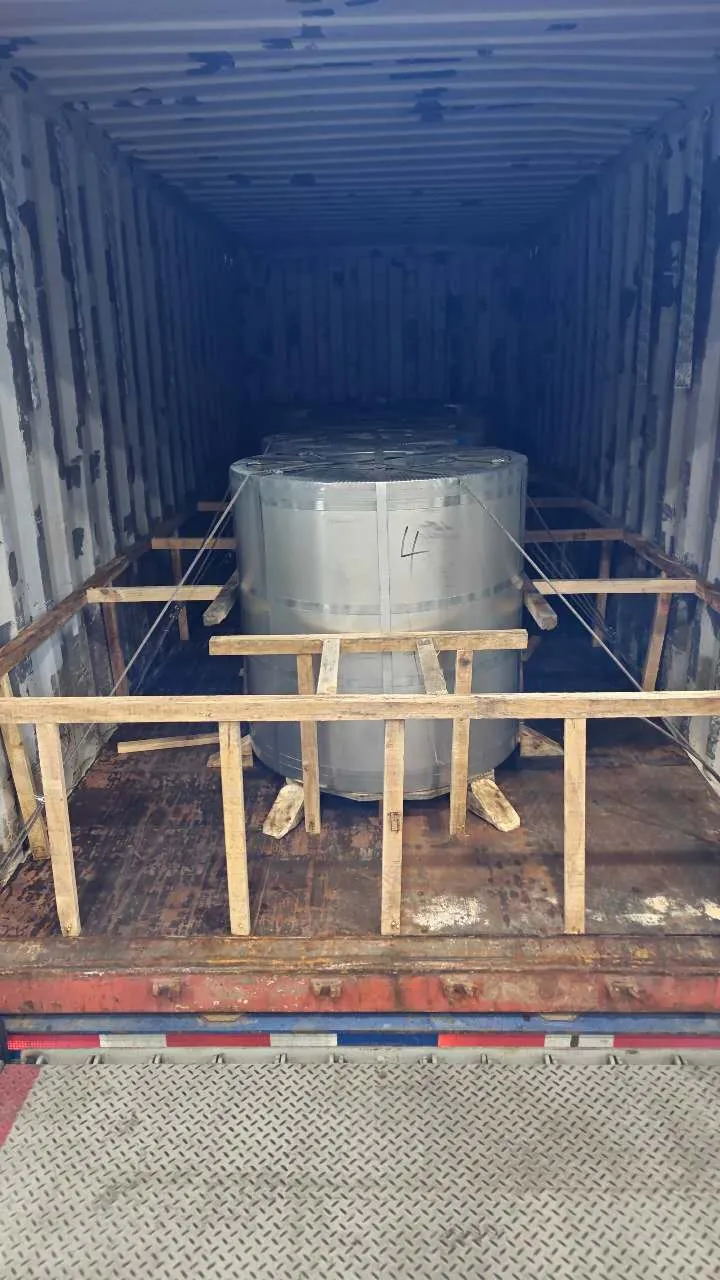
The steel — several containers of coil product — arrived at the Port of Vancouver and was held under CBSA control, unreleased, at the terminal. The current quarter's TRQ for that steel category was already exhausted, so releasing it for consumption that day would have meant the surtax.
Instead, the customs broker followed a specific sequence to move the cargo into our Surrey bonded warehouse rather than releasing it:
- Submit an electronic release request to CBSA via EDI for the shipment, filed against the port and sub-location code where the goods were currently held.
- Once a release notification comes back, submit a Type 10 CAD (Commercial Accounting Declaration) through the CARM Client Portal, using the same transaction number as the EDI release request.
- In the CAD's "Warehouse In" field, specify the sub-location code of the bonded warehouse the shipment is entering.
- Once CBSA accepts the entry through CARM, the goods move into the bonded warehouse in place of a re-manifest request — no second shipment record, just a status change on the existing one.
That sequence is what actually shifted the cargo from unreleased-at-the-terminal to in-bond-at-our-facility, without ever entering it for domestic consumption under the exhausted quota.
Why the entry date — not the arrival date — is what matters
This is the detail that makes the whole strategy work. A shipment-specific import permit's validity window is calculated from an entry date the importer specifies when applying — not from the date the vessel physically arrived. If the steel is sitting in a bonded warehouse rather than being entered for consumption, that entry date has not happened yet, and it can be set to line up with a future quota period instead of the date the container landed.
Global Affairs Canada's own guidance for the program notes that quota is considered utilized as soon as a permit is issued against it — which is exactly why timing the application matters as much as being eligible for it. Being in-bond doesn't get you a permit automatically; it buys you the time to apply for one against a quota period that still has room, instead of the one that's already gone.
What it took to land the next quarter's permit
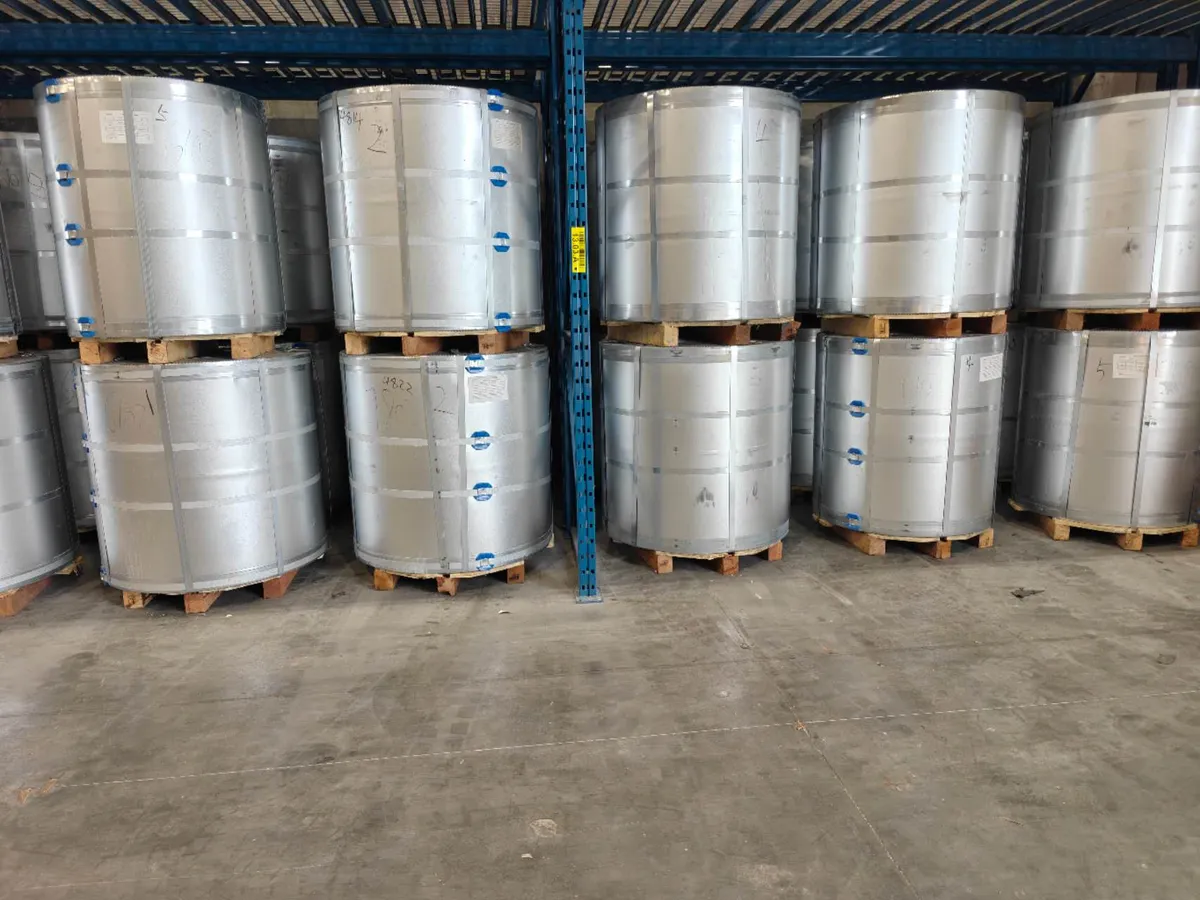
While the coil sat in bond, our broker watched for the next quarterly TRQ period to open. Permits are issued first-come, first-served, so the application went in the moment the new quota window became active — not the next business day. Within the same day, the permit was secured, valid for a window spanning several weeks around the entry date the broker had specified.
With a valid permit in hand for that new quota period, the broker was able to file a Type 20 ex-warehouse entry — releasing the steel from bond for domestic consumption — on the day the new quarter opened. The shipment cleared under that quarter's allocation. The 50% surtax was never triggered, because the goods were never entered for consumption while the exhausted quarter's quota was the only one available.
Does this work for every steel shipment?
No — and this is worth being direct about. The next quarter's quota for a given category can fill quickly, and permits are first-come, first-served with no guarantee one will be available the moment you apply. What this shipment demonstrates is that the mechanism works when the pieces line up: goods placed in bond before consumption entry, a broker actively tracking the quota calendar, and a permit application filed the instant the new period opens. It is not a way to avoid the surtax indefinitely, and it does not help if a shipment has already been entered for consumption under an exhausted quarter — at that point the surtax has already attached.
What you need in place before your steel arrives
- A CBSA-licensed bonded warehouse able to receive the cargo before it is entered for consumption — once release for consumption happens, the option is gone.
- A customs broker who tracks Global Affairs Canada's quarterly TRQ reporting and is ready to file the moment a new period opens, since availability is first-come, first-served.
- A facility actually equipped to handle steel coil — heavy, awkward freight that not every bonded operator is set up to store and move.
Our Surrey facility handles bonded storage and steel coil handling as one workflow, so a shipment like this one moves from terminal release to bonded intake to eventual ex-warehouse entry without changing operators partway through.
Summary
Canada's 50% steel safeguard surtax attaches at the point a shipment is entered for domestic consumption, not at the point it physically arrives. A CBSA-licensed bonded warehouse lets steel sit in Canada, under customs control, without that entry happening — which means the entry date, and the quota period it falls under, can be timed to a quarter that still has room instead of the one that's already exhausted. We ran a real shipment through this exact process: EDI release into bond, a Type 10 CAD naming our facility as the warehouse of entry, a permit secured the moment the next quarter opened, and a Type 20 ex-warehouse entry filed the same day. The surtax was never triggered. It requires a bonded facility set up for the cargo and a broker moving fast on the quota calendar — but it is a real, working option, not a theoretical one.