Transpac Supply Chain Ltd.

transloading Vancouver

Efficient Transloading in Vancouver

Bridge Port of Vancouver arrivals to inland Canadian markets with one coordinated transloading workflow for faster container turn and cleaner dispatch execution.

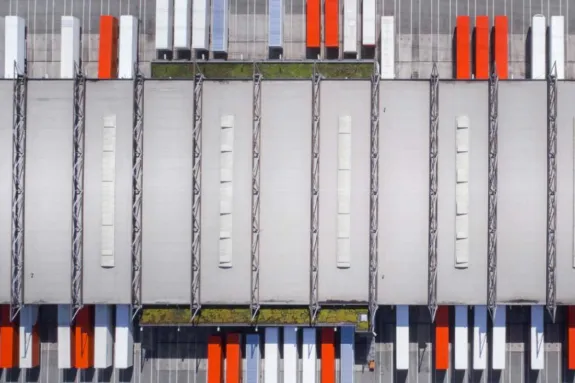
Transloading workflow image showing container-to-distribution handling

transloading Vancouver

What is Transloading?

Transloading is the transfer of freight from one transport mode to another—typically from an ocean container into domestic truck or rail equipment. In Vancouver, this helps importers reduce dwell pressure at port and move distribution-ready freight inland with better control.

What this service is

Transloading is the process of unloading imported freight from one unit and reloading it into another format for the next movement leg. In this workflow, ocean containers are devanned and freight is prepared for domestic truck or rail distribution.

How Transpac handles it

Transpac coordinates the flow from port arrival to inland dispatch: drayage planning, warehouse intake, container devanning, cargo sorting/palletizing/labeling, and reload to outbound equipment. The goal is fewer handoff gaps between terminal, warehouse, and carrier stages.

Process

How the workflow runs

  1. Step 1

    Port arrival and inbound container scheduling

  2. Step 2

    Drayage from terminal/CFS handling point to Transpac warehouse

  3. Step 3

    Container devanning with cargo check and handling controls

  4. Step 4

    Sorting, palletizing, and labeling for destination requirements

  5. Step 5

    Reload to 53' domestic trailer or rail container

  6. Step 6

    Dispatch to final market, including Vancouver-to-Toronto and Vancouver-to-Montreal lanes

Business benefits

  • Lower delay-related cost pressure through faster container turn planning
  • Routing flexibility across truck and rail options
  • Clearer inventory control during devanning, staging, and reload
  • Stronger planning confidence for cross-Canada distribution

Use cases and industries

  • Furniture importers
  • Retail and e-commerce distribution
  • Solar and energy product importers
  • General import distribution programs

Why Transpac

Why importers use Transpac for this service

The focus is execution quality: controlled handling, fewer workflow gaps, and smoother transition to the next logistics step.

  • Integrated sufferance, bonded, and transloading capabilities in one Surrey/Vancouver-area workflow
  • Port-to-warehouse-to-inland execution model designed for reduced handoff friction
  • Support for domestic distribution lanes including Eastern Canada programs

FAQ

Frequently Asked Questions

Clear operational answers for importers evaluating Vancouver transloading, bonded, and sufferance options.

What is container transloading in Vancouver?

Container transloading in Vancouver means unloading freight from marine containers and reloading into domestic truck or rail units for inland distribution. It is commonly used to improve flow from port arrival to final market delivery.

Can you handle both FCL and deconsolidated LCL workflows?

Yes. Transpac can support full-container programs and deconsolidated freight workflows based on cargo profile and destination requirements.

What is devanning in a transloading workflow?

Devanning is the unloading of cargo from an ocean container at the warehouse. After devanning, cargo can be sorted, palletized, labeled, and reloaded based on destination and mode requirements.

Can Transpac reload cargo to a 53' trailer or rail container?

Yes. Transpac can prepare and reload cargo into domestic equipment formats including 53' trailers and rail container configurations, depending on shipment plan and destination requirements.

Why is Vancouver a strategic transloading gateway?

Vancouver is a primary Canadian gateway for imports from Asia. Transloading near the port helps importers move cargo quickly into domestic distribution channels with better control over routing and inventory timing.

What inland lanes can this transloading workflow support?

Transloading prepares cargo for long-haul domestic movement by truck or rail, including common lanes such as Vancouver-to-Toronto and Vancouver-to-Montreal. Final routing depends on shipment profile and service plan.

How does transloading improve inventory control?

During devanning and reload, cargo can be sorted and staged by destination or priority. This gives importers better visibility and control before inventory is dispatched inland.

Need a quote-ready plan for this service?

Share cargo details and timing requirements. Transpac will outline handling steps, storage options, and next-move recommendations.

Request a Quote

Discuss your import flow with our operations team

Share your shipment details and service requirements. A team member will follow up with next-step options.